Daily brushing and flossing are two of the best ways to help your child maintain a healthy smile, but sometimes little teeth need a little extra protection. Dental sealants provide an additional layer of defense against cavities, particularly on the back teeth where food and bacteria can hide in tiny grooves. If you’ve been wondering whether sealants are right for your child, here are answers to some common questions.
What Are Dental Sealants?
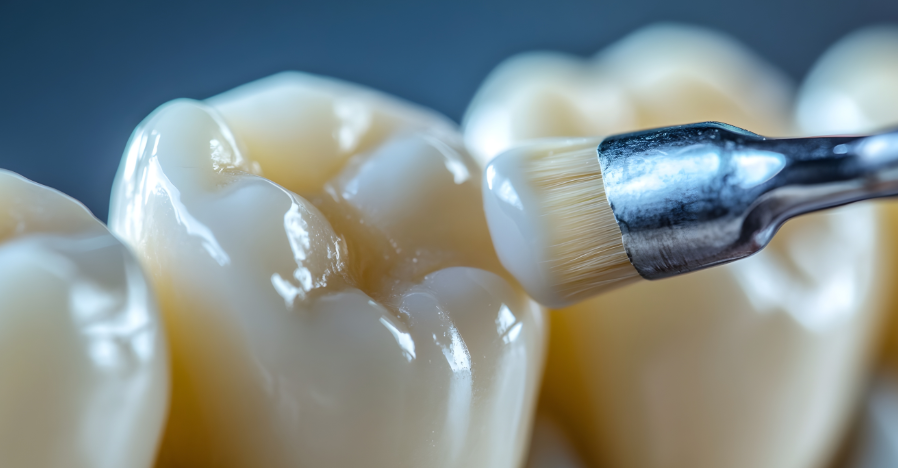
Dental sealants are thin protective coatings applied to the chewing surfaces of teeth. They flow into the pits and grooves of molars, creating a barrier that helps keep food particles and cavity-causing bacteria from settling in areas that can be difficult to clean with a toothbrush. The American Dental Association recognizes sealants as an effective way to prevent and even help stop the progression of certain early, noncavitated cavities.
Who Can Benefit From Sealants?
Children and adults can benefit from dental sealants, but they are especially helpful for children as their permanent molars come in. First molars typically erupt around age 6, while second molars usually appear around age 12. Sealing these teeth soon after they erupt can help protect them during the years when children are still developing consistent brushing and flossing habits.
Your child’s dentist can evaluate their teeth and cavity risk to determine whether sealants make sense for them.
Are Dental Sealants Safe?
Yes. Dental sealants have been used for decades and are considered a safe preventive treatment. The ADA notes that dental materials, including sealants, may contribute to very low levels of bisphenol A (BPA) exposure for a few hours after placement, but current evidence does not indicate a health concern from this exposure.
Does Getting a Sealant Hurt?
Not usually! Applying a sealant is a quick, noninvasive process. The tooth is cleaned and prepared before the liquid sealant is placed into its grooves. The material is then cured, often with a special dental light, so it hardens and forms its protective barrier.
Because there is no drilling involved when placing a sealant on a healthy tooth, most children find the procedure easy to tolerate.
How Long Do Sealants Last?
Sealants can provide protection for years, but they aren’t necessarily permanent. They can wear down or occasionally become damaged over time, which is why your child’s dentist should check them during regular dental visits. If a sealant needs attention, it may be possible to repair or replace it.
Do Sealants Replace Brushing and Flossing?
Absolutely not! Think of sealants as an extra layer of protection rather than a replacement for good oral hygiene. Your child should continue brushing twice a day with fluoride toothpaste, cleaning between their teeth, limiting sugary foods and drinks, and visiting the dentist regularly.
A little extra protection today can help your child build a healthier smile for tomorrow.
About the Practice
Mighty Molars Pediatric Dental in Inver Grove Heights, Minnesota, provides pediatric dental care for infants, children, teens, and patients with special needs. The practice focuses on creating a colorful, welcoming environment where kids can feel comfortable while receiving preventive and restorative care.
Dr. Matt is a board-certified pediatric dentist who earned his dental degree from Midwestern University, completed pediatric specialty training at the University of Illinois Chicago, and holds a Master of Oral Science degree. He is also a member of the American Academy of Pediatric Dentistry and is passionate about helping children develop positive relationships with dental care.
Call us at (651) 450-6111 or schedule your appointment online.